
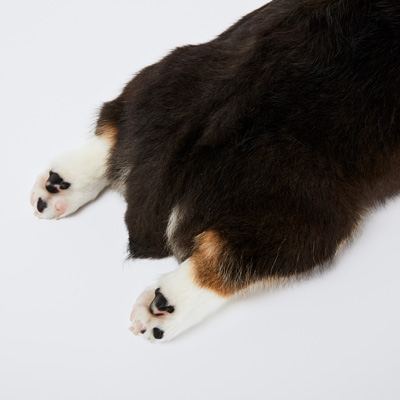
Limber tail syndrome in dogs can cause a normally active, wagging tail to suddenly hang down and become painful. You may notice the change after swimming, hunting, intense exercise, or another period of unusual activity. The condition is commonly linked to strain or injury of the muscles that support tail movement.
While limber tail often improves with appropriate rest and veterinary care, it is also worth looking at how your dog moves as a whole. Tail pain may change the way a dog sits, walks, uses the pelvis, or distributes weight. Animal chiropractors in Colorado can assess these movement changes and provide supportive care when changes in mobility or compensation are present.
What limber tail syndrome in dogs actually is
A veterinarian will call it acute caudal myopathy. Acute means it came on suddenly. Caudal means tail. Myopathy means a muscle problem. Put together, it describes a strain of the small wagging muscles at the tail base.
You will also hear swimmer’s tail, cold water tail, dead tail, broken wag, rudder tail, or frozen tail. One condition, six nicknames, which is why searching for it feels confusing.
The important part is understanding what is happening around the tail. The MSD Veterinary Manual describes limber tail as a temporary loss of tail tone thought to be associated with injury to the muscles of the tail. Knowing the name matters less than recognising the picture, so here is what to look for.
Clinical signs of limber tail
The tail hangs one of two ways. It either drops completely limp from the base, or sticks straight out two or three inches then falls away. That second pattern convinces owners the bone is broken.
Alongside the limp tail, these signs usually show up together:
- Pain when you touch near the base of the tail
- No tail movement at all, even at the door
- Sitting lopsided to keep weight off the sore side
- Visible discomfort when lying down
- Some swelling along the tail, usually near the base
- Whimpering when the tail moves
- An inflamed, tender feel at the tail base
One detail helps. A dog with this injury stays bright, hungry, and otherwise themselves. If your dog is flat, off their food, or hiding, something else is going on.
What causes limber tail in dogs
The cause is overuse of the tail, nearly always within the previous 24 hours. Dogs use the tail as a rudder and a counterweight, and an unconditioned body complains about it.
The usual triggers:
- Swimming, especially early in the season when the water is cold
- A hunting day or long hike after a quiet stretch
- Hard play with a lot of tail movement
- A long car ride or crate stay where the tail cannot sit comfortably
Swimming is a common trigger, but running, hunting, and vigorous play can also strain the tail muscles. Signs may not appear until the next day, making the cause less obvious. Working and hunting dogs may be more prone to limber tail, although any dog can be affected. Because muscle strain can look similar to other tail injuries, an exam may be needed to determine the cause.
How is limber tail syndrome diagnosed?
Diagnosis usually starts with your dog’s recent activity and a physical exam. A veterinarian may ask about swimming, hunting, running, or other strenuous activity, then check where the tail is painful. With limber tail, soreness is often most noticeable near the base of the tail.
Because trauma, fractures, wounds, or nerve problems can also cause a limp tail, further evaluation may be needed when the cause is unclear. If the problem started after direct trauma, our guide to animal chiropractic for tail bone injuries explains these injuries in more detail.
A limp tail with hind leg weakness, difficulty walking, or bladder or bowel changes needs prompt veterinary evaluation.
Why limber tail can affect more than the tail
The tail is the final part of the vertebral column, and its base sits close to the pelvis and lower spine. This does not mean a spinal problem causes limber tail. The condition is associated with strain or injury of the muscles involved in tail movement.
However, pain can change how a dog moves. A dog protecting a painful tail may sit to one side, walk more cautiously, shift weight, or move the pelvis differently. These are compensatory movements, where the body changes how it moves to protect a painful area.
This connection between tail pain and whole body movement is where animal chiropractic may become relevant.
Can chiropractic help a dog with limber tail?
Yes. Animal chiropractic may support dogs with limber tail by helping improve mobility and reduce compensation through the pelvis, lower spine, and surrounding joints. However, it should be considered supportive care after a veterinarian has ruled out more serious injuries, such as a fracture or significant trauma.
Tail pain can cause a dog to sit unevenly, move stiffly, shift weight, or protect the back end. A whole body chiropractic assessment looks at how these changes may affect the spine, pelvis, joints, and overall movement.
Chiropractic may be helpful when your dog:
- Sits unevenly or moves stiffly
- Avoids jumping or has difficulty getting up
- Shows changes in stride or weight distribution
- Continues moving differently as the tail recovers
- Has repeated episodes after strenuous activity
Can limber tail syndrome be prevented?
Not every case can be prevented, but you can reduce the risk by limiting common triggers such as overuse, cold water, and long periods of restricted movement.
A few simple steps may help:
- Limit long swims in cold water. Avoid letting your dog stay in very cold water or swim for long periods, especially when they are not well conditioned.
- Dry and warm your dog after swimming. Dry the coat thoroughly after swimming or spending time in cold, wet weather.
- Build activity gradually. Increase swimming, running, hiking, or hunting over time instead of suddenly introducing a very strenuous day.
- Provide enough space to rest. Make sure your dog has enough room to lie down and move the tail comfortably during travel or crate time.
- Take breaks during long trips. Give your dog opportunities to get out, walk around, and stretch during long drives.
For active, working, and hunting dogs, gradual conditioning and enough recovery time are especially important.
When should your dog see a veterinarian?
Seek veterinary care if a limp tail occurs with significant trauma, severe or increasing pain, swelling, wounds, hind leg weakness, difficulty walking, or changes in bladder or bowel control.
These signs may point to something other than uncomplicated limber tail and should be evaluated before chiropractic care is considered.
Supporting movement after limber tail
Limber tail syndrome in dogs may start with the tail, but it can temporarily change how a dog uses the rest of the body. As the tail recovers, watch how your dog sits, walks, gets up, and moves through the back and pelvis.
At Tails Animal Chiropractic Care, the focus is on spinal and joint mobility, movement, and compensation rather than treating the tail in isolation. If the tail has improved but your dog is still moving differently, contact us to discuss whether a whole body assessment may be appropriate.
Frequently asked questions
Can chiropractic treat limber tail syndrome in dogs?
Chiropractic does not directly heal the injured tail muscle. It may support spinal, pelvic, and joint movement when a dog develops compensatory movement around the painful area.
Should my dog see a veterinarian or an animal chiropractor?
If the cause of a painful or limp tail is uncertain, veterinary evaluation should come first. Chiropractic may be considered when changes in mobility or compensation are also present.
Can limber tail affect a dog’s back or pelvis?
Tail pain may cause a dog to sit, walk, or distribute weight differently, which can change how the pelvis, lower back, and other joints are used.